
The Pathways to Prosperity for Extremely Poor People – European Union (PPEPP-EU) project continues to make steady progress during its extended period (Oct 2025 to Sept 2026) to consolidate the socio-economic gains it has already achieved and build stronger resilience against economic fluctuations and climatic shocks. The project is now focusing on shifting participants from a ‘subsistent’ level of occupation to a ‘progressive’ level, and eventually to an ‘entrepreneur’ level.
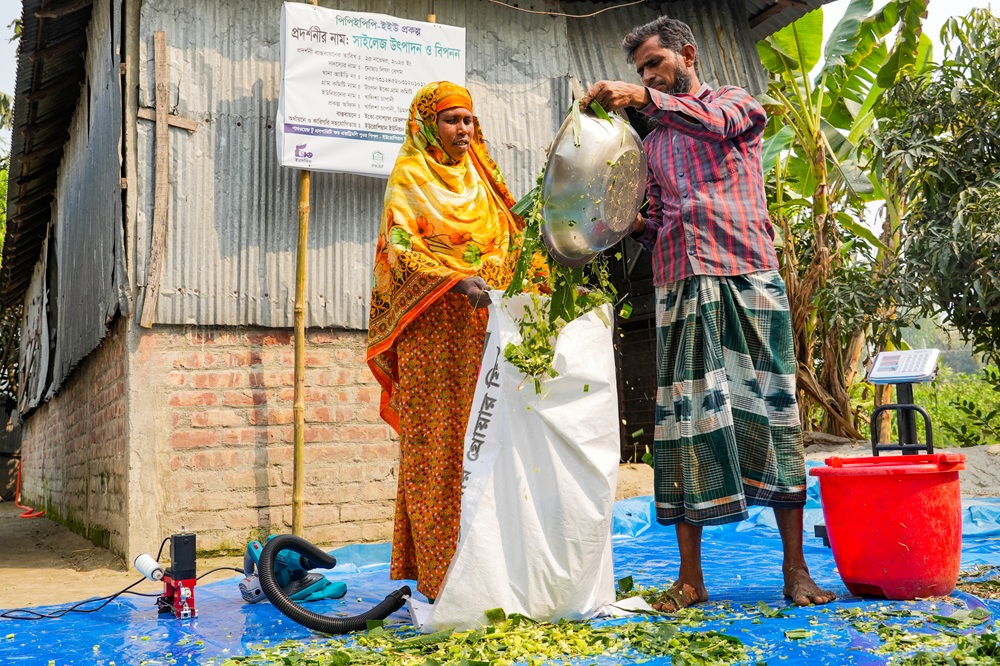
During the extended period, PPEPP-EU is focusing on strengthening the economic resilience of participating households by helping them move from basic Income-Generating Activities (IGAs) toward more sustainable and profitable livelihood options. Participants are receiving continued technical support, access to soft loans, and market linkage opportunities to expand their enterprises and diversify income sources.
The project is also expanding ‘cluster-based agricultural hubs’, which bring together farmers, input suppliers, service providers, and market intermediaries. These hubs are helping farmers access quality inputs, technical advice, and reliable markets, thereby improving productivity and income. To combat environmental vulnerabilities, the project is promoting agro-climatic specific adaptations. These measures include mini-pond-based integrated farming in coastal areas, stress-tolerant rice production, and climate-neutral livestock production.
Through the ‘Mother Understands and Can Do It’ approach, mothers are being empowered to independently apply health and nutrition identification methods and seek timely care. To ensure the nutritional rehabilitation of children suffering from Severe Acute Malnutrition (SAM) or Moderate Acute Malnutrition (MAM), the project is providing specially designed food packages. PPEPP-EU is strengthening the national Community-based Management of Acute Malnutrition (CMAM) programme in direct collaboration with Community Clinics (CC) and Family Welfare Centres (FWCs). Community Mobilization efforts are focusing on sustaining the linkages established with public and private service providers. Advocacy meetings at the district and upazila levels are resulting in improved medicine supplies at community clinics in the working areas. The project has supported the registration of Persons with Disabilities (PWDs) under the government’s safety net programme, ensuring they receive the ‘Shuborno Nagorik’ card and are included in the Union Parishad’s budget allocations. The project’s commitment to gender equality has been reinforced through the expansion of ‘Couple Forums’. These forums are now holding sessions on shared decision-making and mutual respect. Women’s leadership is being visibly promoted, with women from project areas receiving recognition for their empowerment achievements.